Vraagkunst B.V. — Cultivating Questioning Skills
We’re focused on developing inquiry methods and curiosity in the Netherlands. Through structured programs and evidence-based practices, we help individuals—from students to professionals—become better thinkers and more effective questioners.
Why Questioning Skills Matter
In a world of information overload, the ability to ask good questions is increasingly valuable. Critical thinking, deeper learning, and better decision-making all start with curiosity. We’ve been building frameworks around inquiry methods since our founding, helping people move beyond surface-level thinking.
Inquiry as Foundation
Good questions reveal assumptions, challenge conventions, and open new pathways of thought. We don’t just teach question-asking—we build systems where curiosity drives genuine learning and understanding. That’s where real development happens.
Practical Methodology
We’ve developed questioning frameworks adapted for different contexts: educational settings, corporate environments, personal development. Each approach emphasizes active listening, follow-up thinking, and iterative exploration. Methods that work. Approaches you can actually use.
How We Develop Questioning Capacity
Vraagkunst B.V.’s approach follows a structured progression. We’re committed to helping participants recognize their current questioning patterns, then systematically build more sophisticated inquiry skills over time.
Assessment & Awareness
We start by examining existing questioning habits. What types of questions do you naturally ask? What patterns emerge? This awareness-building phase reveals both strengths and growth areas without judgment—just honest observation.
Framework Introduction
We introduce question taxonomies and inquiry models proven effective in research. Participants learn different question types—open-ended, probing, clarifying, hypothetical—and when each one serves best. Theory meets practical application immediately.
Guided Practice
Skills develop through deliberate practice. We provide real scenarios, peer discussions, and facilitated exercises where questioning approaches get tested. Feedback is continuous, supportive, and focused on genuine improvement rather than perfection.
Integration & Sustainability
The final phase emphasizes bringing these skills into daily contexts—classrooms, meetings, conversations, personal projects. We’ve found that habits stick when they’re connected to real situations people care about.
What Sets Our Programs Apart
We’re not selling generic question-asking tips. We’ve built evidence-informed programs specifically designed for the Dutch educational and professional context. Here’s what makes Vraagkunst B.V. distinctive.
Cognitive Research-Based
We don’t rely on trends. Our frameworks come from cognitive science research on how people learn, think critically, and generate ideas. Methods that’ve been tested and validated.
Peer-Centered Learning
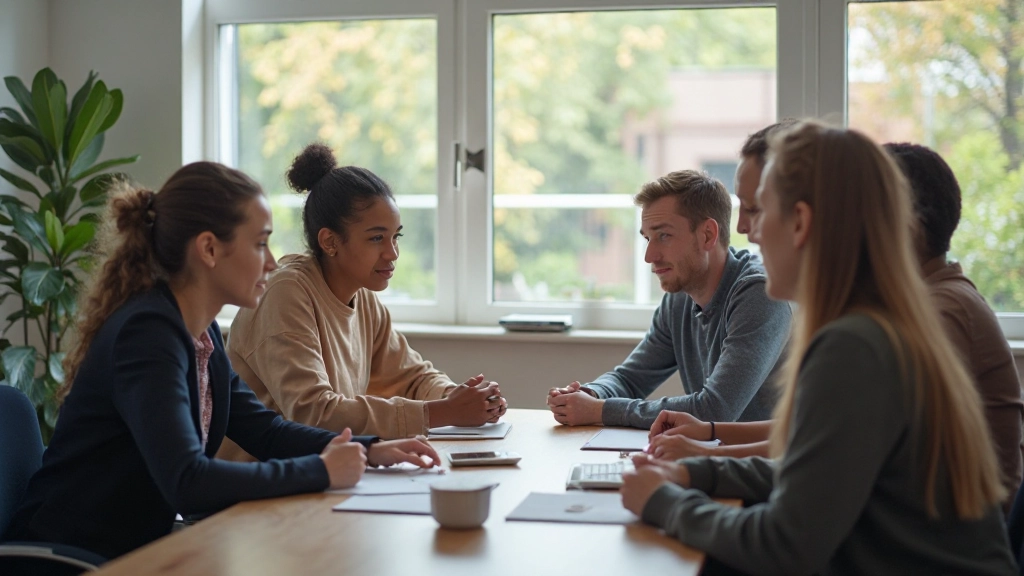
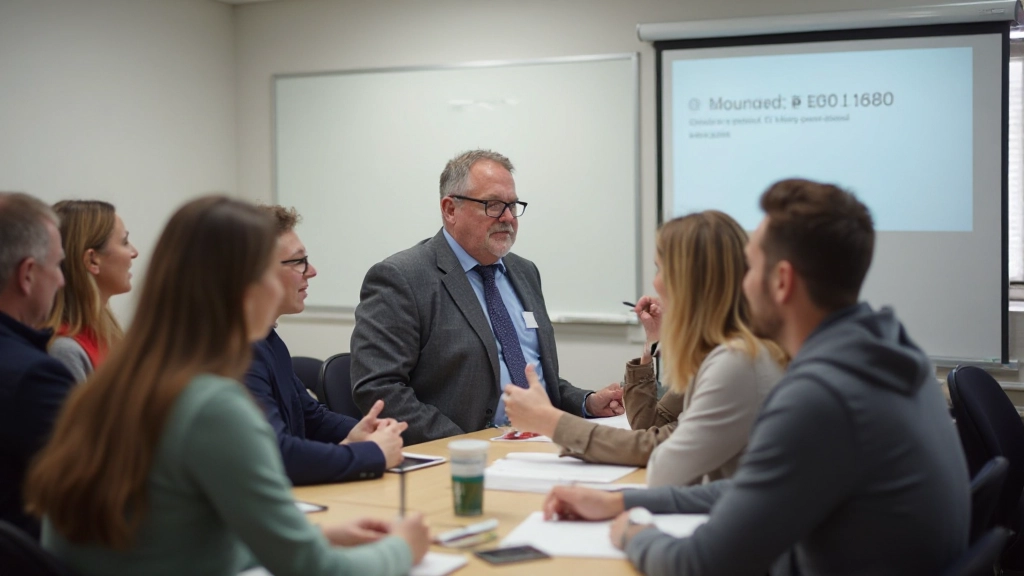
The best questioning happens in groups. We design interactive sessions where participants challenge each other’s thinking, build on ideas together, and develop skills through authentic dialogue.
Measurable Growth
We track progress—question complexity, depth of inquiry, ability to follow thought chains. Participants see their own development, which reinforces commitment and sustains motivation long-term.
Customizable for Context
Whether you’re in K-12 education, university, corporate training, or personal development—the core principles adapt. We’ve worked across sectors and understand different environments.
Curiosity-Driven
Questioning isn’t mechanical. We reconnect people with genuine curiosity—the intrinsic drive to understand. When that spark ignites, skills follow naturally.
Partnership Approach
We work alongside educators, trainers, and organizations. It’s not top-down instruction. We’re collaborators helping you build questioning culture in your specific context.
The Philosophy Behind Our Work
We believe that asking good questions is a learnable skill, not something reserved for the naturally brilliant. Everyone’s got curiosity—sometimes it just needs unlocking. We’ve seen quiet kids suddenly become idea generators. We’ve watched professionals stop accepting surface explanations and start digging deeper. Change happens when people understand that questioning is powerful.
But here’s what we’ve also learned: you can’t force it. The best questioning cultures emerge when people feel safe asking, when follow-up thinking is valued over quick answers, and when being curious isn’t seen as being difficult. That’s why our programs emphasize psychological safety alongside skill development.
“Good questions don’t just reveal answers—they reveal what we don’t yet understand. That’s where real learning begins.”
— From our founding principles, 2019
Vraagkunst B.V. exists because we’re convinced that a society of better questioners becomes a society of better thinkers, better problem-solvers, and more engaged citizens. That’s the long view. In the immediate term, we’re focused on concrete outcomes: participants who ask more thoughtful questions, teams that generate better solutions, students who engage more deeply with material. But it all connects back to one conviction—curiosity, when cultivated properly, transforms how people engage with knowledge and each other.

Important Information
The content and programs offered by Vraagkunst B.V. are designed for educational and developmental purposes. While we’re committed to evidence-based methodology and proven inquiry frameworks, individual results depend on many factors including personal engagement, prior experience, and how learners apply these skills in their specific contexts. Our materials and programs complement, but don’t replace, professional guidance where applicable. We encourage all participants to consider their own circumstances and seek additional support if needed. Success in developing questioning skills varies by individual and situation—our role is to provide the best tools and environment for that growth.